The latest wetland news
WWA launches new project focused on peatlands conservation
Peatlands are among the most important natural climate solutions in the world. They store vast amounts of carbon accumulated over millennia, while also supporting biodiversity, improving water quality, and reducing flood risk.
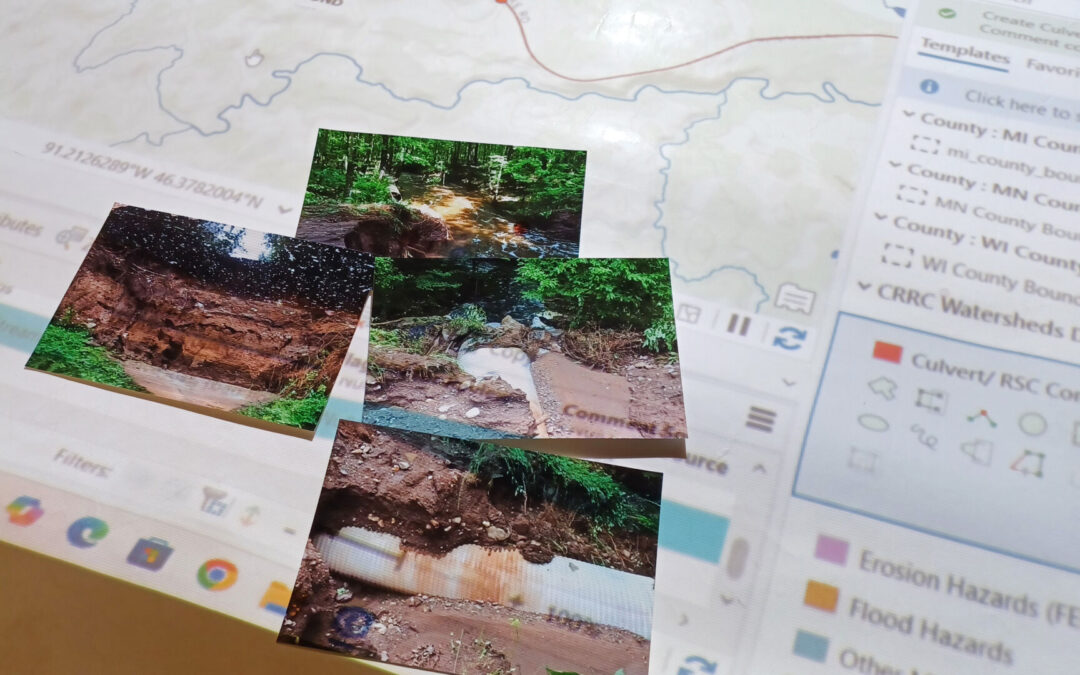
Two years along with the South Shore Flood Resilience Assessment Project
We can’t believe it, but we are already halfway through the South Shore Flood Resilience Assessment project, our four-year collaboration focused on addressing flood vulnerabilities across Lake Superior’s south shore.
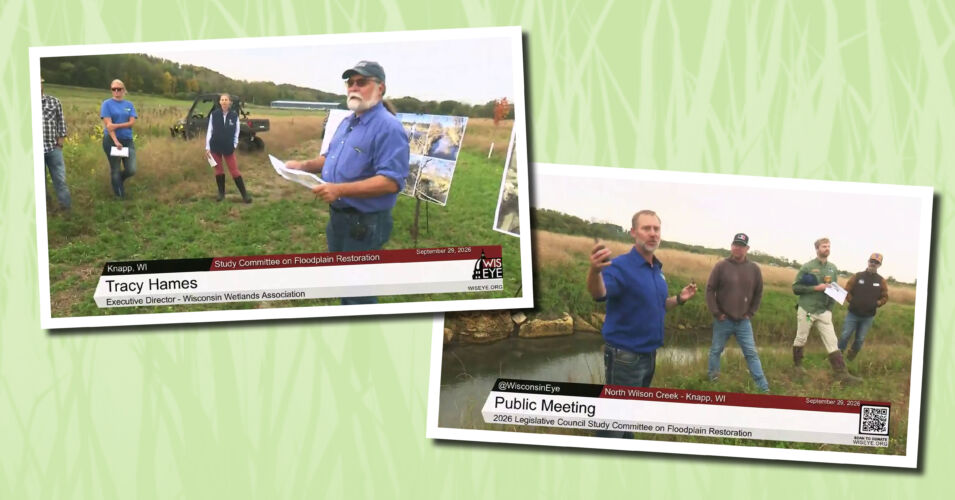
Study Committee on Floodplain Restoration second meeting recap
The second meeting of the Legislative Council Study Committee on Floodplain Restoration included a recorded field visit with committee members, WWA staff, and people doing on-the-ground work to restore floodplains.
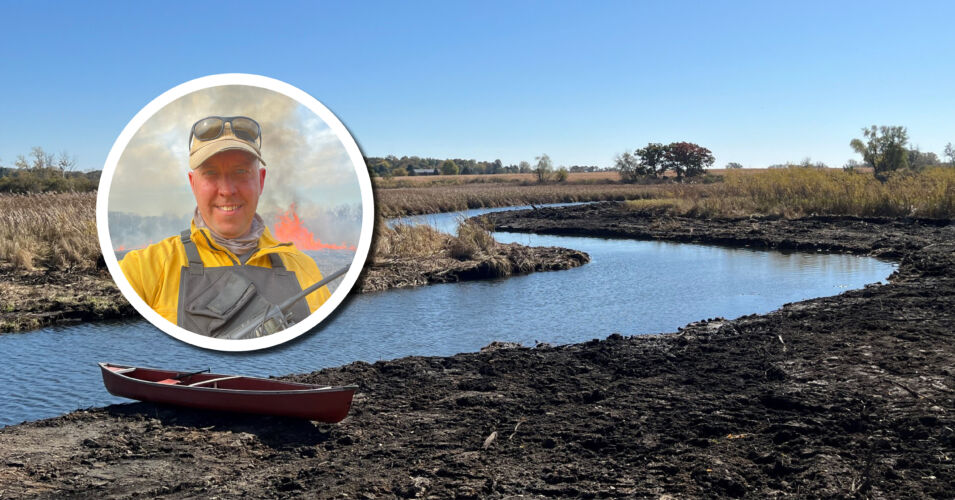
Wetland Coffee Break: Advancing hydrologic connectivity in Dane County, WI
Learn more about a series of restoration projects in Dane County focusing on repairing hydrologic impairments.
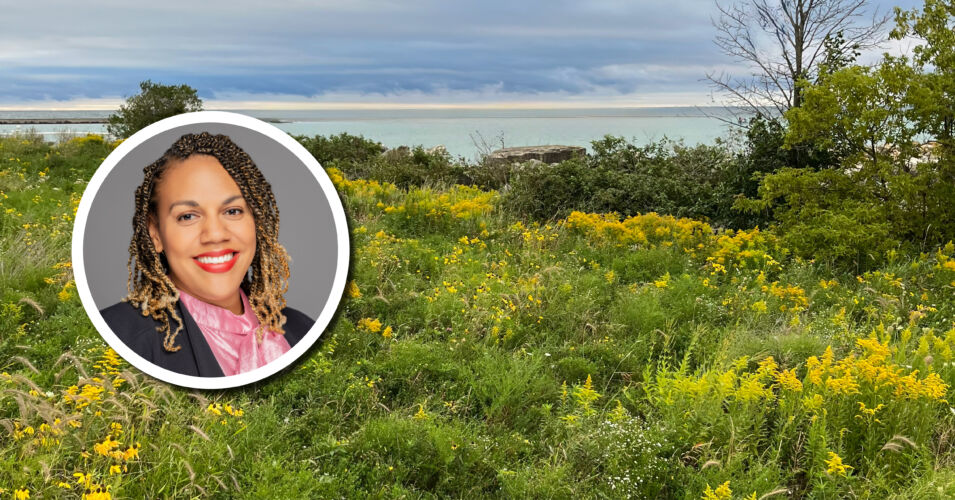
Wetland Coffee Break: Science to the Sidewalk: Relational care of people and nature
Dr. Kristen Voorhies joined us for an insightful and dynamic presentation on how formal scientific knowledge and community-held knowledge can work together.
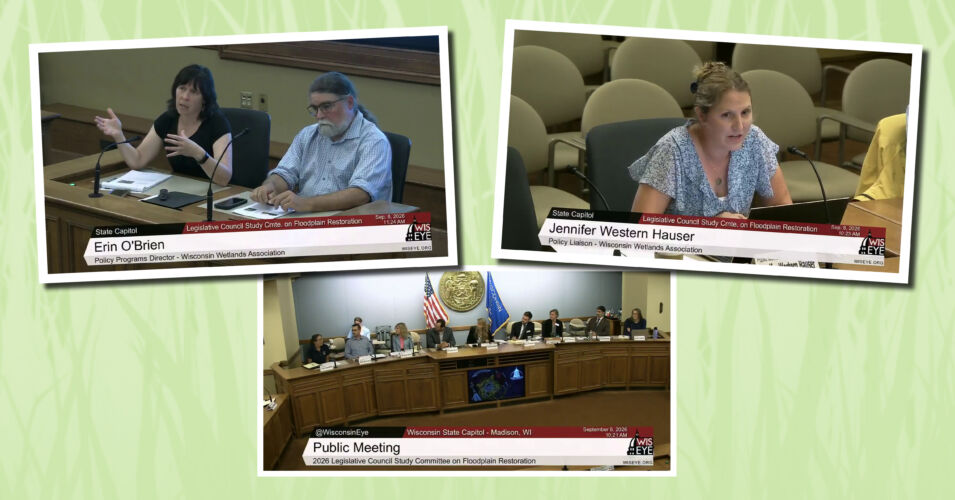
Legislative Committee begins examining barriers to floodplain restoration
Last week, the Wisconsin State Legislature convened the first-ever Legislative Council Study Committee on Floodplain Restoration. Read a recap of that meeting here.

Wetland Coffee Break: Northern lowland hardwood forests: Learning from experience, managing for change
Presenter Martha Sample shares how altered hydrology, emerald ash borer, and a changing climate are affecting northern lowland hardwood forests, and how more coordinated monitoring, reporting, and information sharing could help people manage these shifting ecosystems.
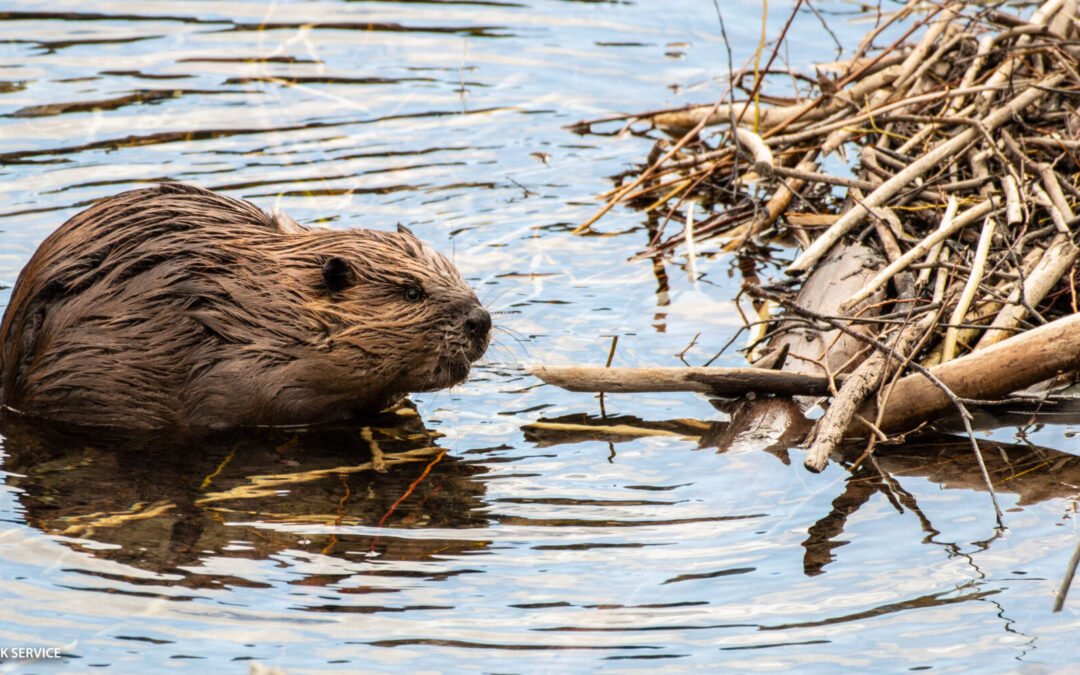
Nature Notes: Beavers and wetlands
These charismatic rodents occupy habitats in every county of the state and are second only to humans in their ability to transform landscapes.
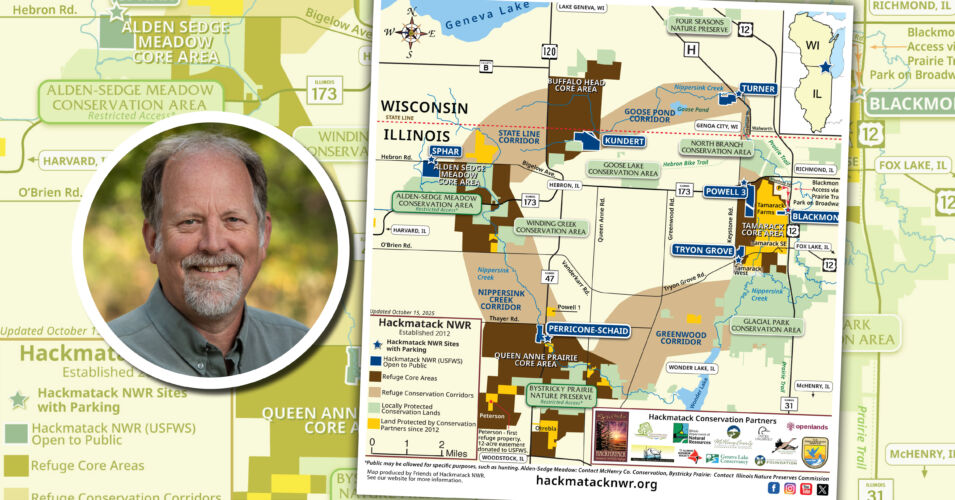
Wetland Coffee Break: Hackmatack National Wildlife Refuge: An urban gem, 14 years old and growing
The Hackmatack National Wildlife Refuge is located in Walworth County, Wisconsin, and McHenry County, IL. It is designated as an urban wildlife refuge serving nearly 12 million people who live within an hour and half drive of the refuge. The work of many land partners...
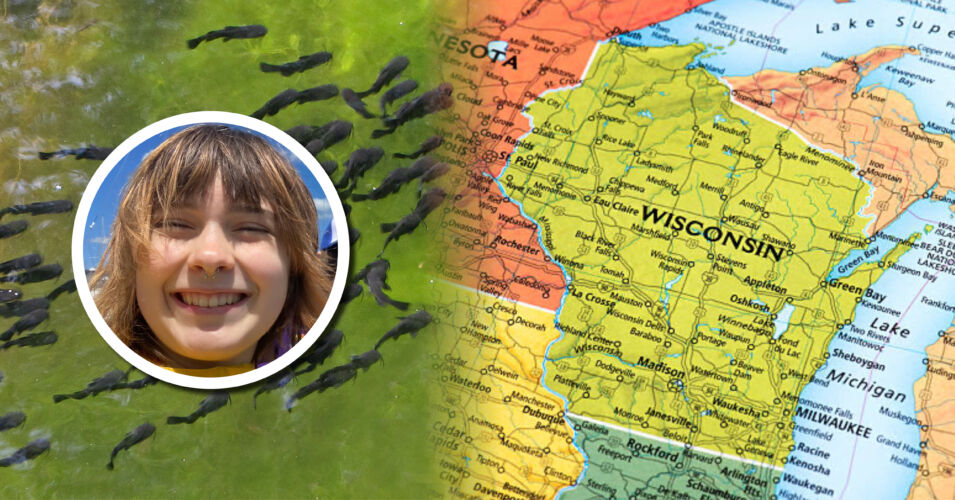
Wetland Coffee Break: Zoogeography and ethnobiology of Wisconsin’s fishes: A historical perspective
Join avocational ichthyologist Madeleine Cleveland to take a look at the people and places that influenced Wisconsin fish fauna.